
When You Feel Small, Look for Angles: 3 Underdog Advantages
The times I was overlooked taught me to see what others miss and it changed how I move in life.

The moment before the ball
I’m 5’5” on a good day 5’7” if my Air Forces are feeling generous.
When I was growing up, every court reminded me what I wasn’t.
Not the tallest. Not the loudest. Not the “scout favorite.”
Most days I was the last pick if I got picked at all.
Dudes chose height over heart without letting me touch the ball.
That stung. Not because I needed to be the star, but because I wanted a fair look.
After a while, that “no” followed me off the hardwood.
I started believing women wouldn’t see me either like I had to perform my way into being accepted.
If I wasn’t already what they wanted, I told myself I’d never be enough.
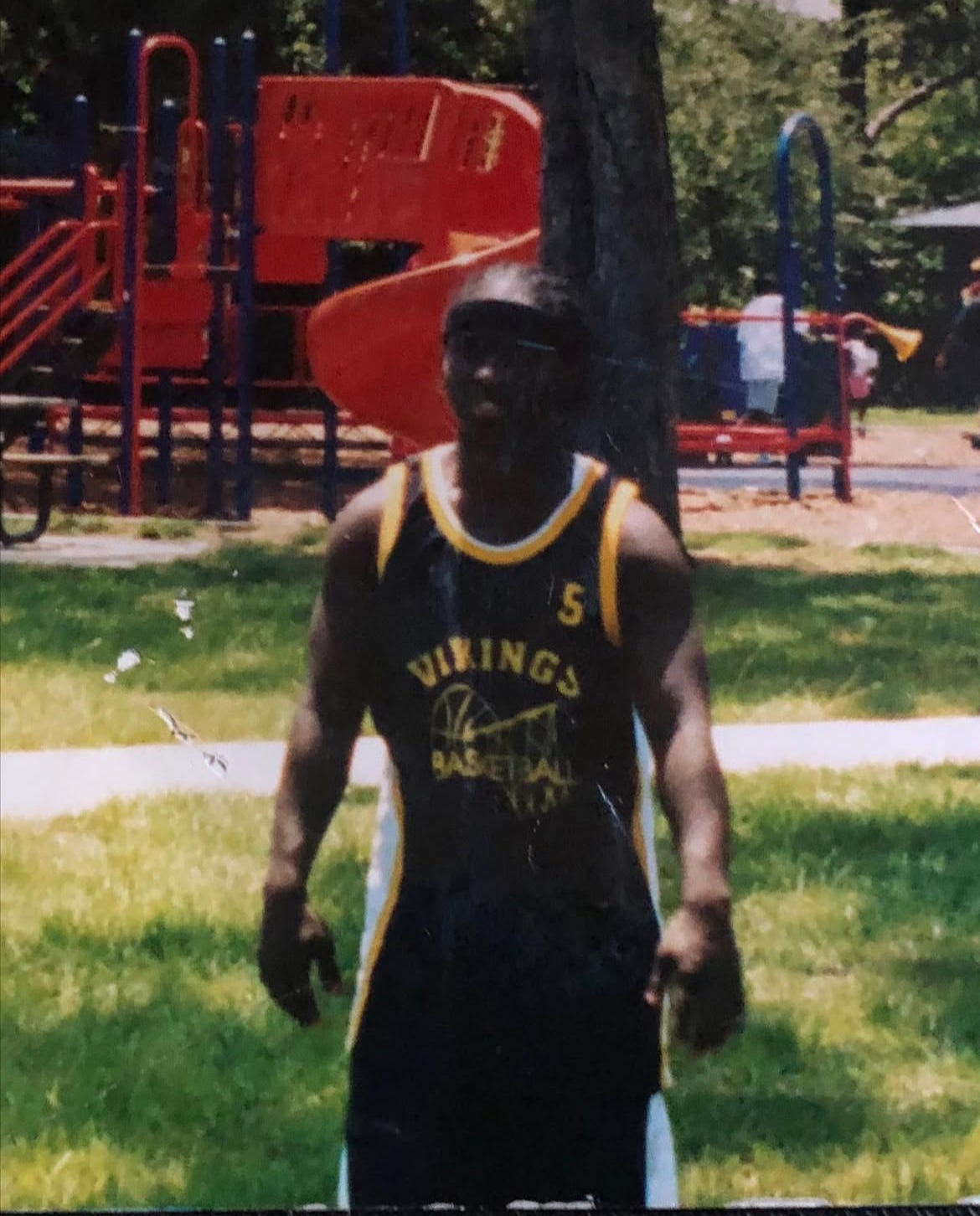
That’s the quiet damage of being overlooked: you start overlooking yourself.
I counted myself out before the game even started.
Stopped trying the things that used to light me up.
But here’s where it turned: being 5’5” forced me to develop sight to find angles, read the floor, trust my instincts.
And once I leaned into that, the results got loud.
I passed up players who were “better on paper” longer wingspans, louder résumés.
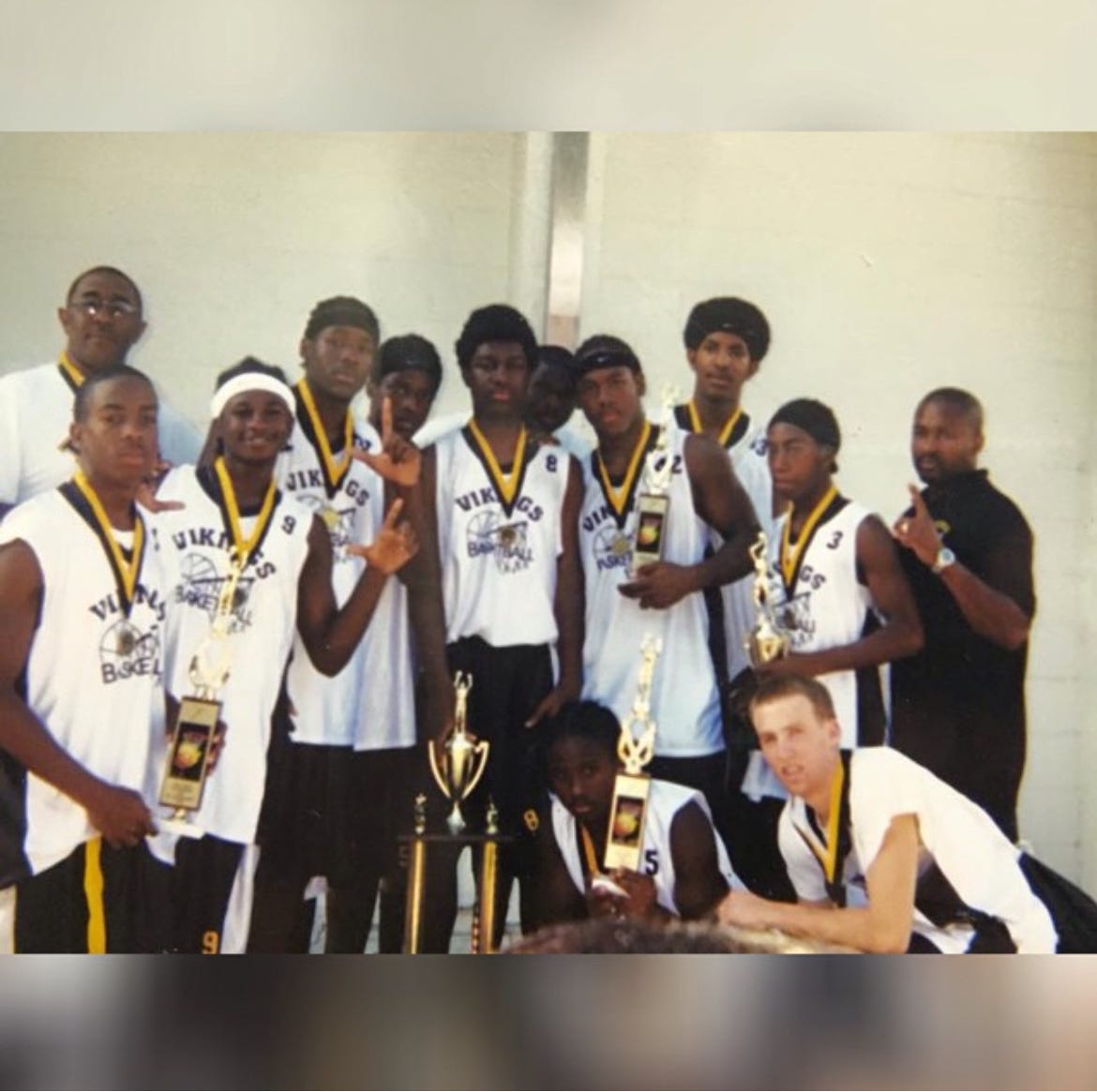
I made varsity before some kids a grade or two above me, not because I out-grew them, but because I out-read the game.
I held my own against dudes headed to bigger programs and schools, and a few times I flat-out outplayed them.
That proof bled into my life off the court too: I stopped selling a performance and started offering presence.
I listened more. I moved with intention. I let my originality do the talking.
Confidence didn’t come from being taller; it came from being truer.
The court became a classroom.
Limits became lenses.
And what felt like “less” became the reason I found more.
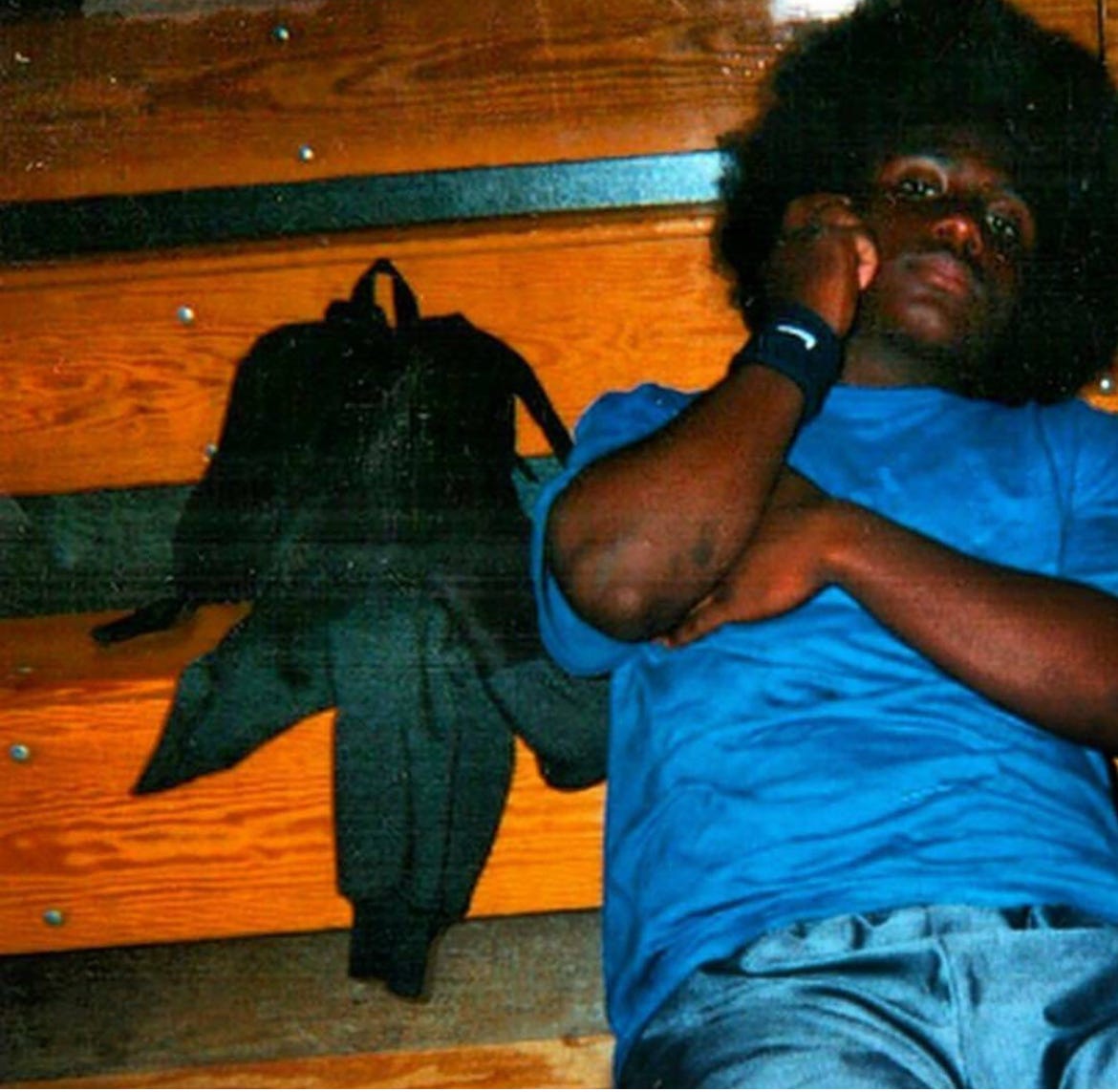
Made up my mind I’d never be that whatever “that” was in the eyes of the people I admired.
But here’s the thing being the shortest didn’t just shape how I played; it rewired how I think.
The court became a classroom.
Limits became lenses.
And what felt like “less” became the reason I found more.
Here’s what those years taught me on and off the court:
1) I Learned to See the Gaps
Tall players could shoot over people.
I had to see through them.
So I trained my eyes to find angles other folks missed backdoor cuts, passing windows, half-second hesitations.
That habit followed me into life: when the obvious path isn’t built for you, you build the angle.
When you don’t have height, you develop sight.
2) I Learned to Wait My Turn Without Losing Momentum
On the bench, you can sulk or you can study.
I started watching why plays worked, not just what happened.
Patience stopped meaning “do nothing” and started meaning “get ready.”
That same patience later helped me build when results were slow: momentum doesn’t always look like motion sometimes it’s observation.
3) I Learned to Flip Comparison Into Creativity
I couldn’t copy the 6’4” guard’s game, so I had to invent mine.
Being underestimated became permission to experiment floaters, misdirection, off-speed.
Off the court, that translated to originality over imitation.
Any time I feel “behind,” I remember: if the blueprint wasn’t made for you, that’s your cue to design a better one.
Tiny Action
Name one “ disadvantage” in your life something that makes you feel smaller, overlooked, or late and write three ways it could actually be leverage.
Sometimes the thing that shrinks you in one room is what’ll make you stand tall in another.
-Maxwell Campbell | Ineedthemax
P.S.Ever felt “too” something too new, too quiet, too late, too short? Reply with one line: the thing that felt small → how you’ll use it as leverage this week.